Category Archives: Part 3 – Mirrors and Windows

Research point 1 – Elina Brotherus

I previously looked at the work of Elina Brotherus when doing CAN while looking at autobiographical portraits (Autobiographical self-portraiture). I have now looked at her work in slightly more detail.

I watched the video of her talk to the OCA students (The Open College of the Arts, 2015) and took notes – the quotes are not exact but give the idea of what she said. It was a fascinating talk and I would recommend it to anyone looking at self-portraiture.

  • Brotherus is a Finnish artist, who works between Finland and France. She initially went to France on a residency but didn’t speak any French. She used a post-it sticker method, starting with basic words. Starting with very concrete words and took photos of them in situ. Gradually moved to less concrete words. Did a series of these images. ‘Starting point of my work’. They took me seriously. Then (2011) invited back to work within the schools. Went back to same place as the initial series to look at the beginning of her art – how would it feel? Eventually became a body of work – ‘a position statement’, a turning point, looking back, again using post-its, but talking in more detail. 12 years ago – then a series of statements about how she felt then and where she is now (when taking the images). The images show a picture with long texts, talking about her life – but more about her feelings ‘I can’t take the company of people my own age’. Made into an exhibition and into a book. Includes ‘all the themes that are important to me’, landscapes, fog, reflections, the human figure in a landscape. A return to autobiographical working. Previously was interested in work related to the history of art.
  • ‘I don’t do things in a hurry, if you have the luxury of time use it’, leave things aside then come back to them.
  • When the work is personal it’s hard to have anyone else there – but when it’s a study of the human figure it can be anybody, it’s easier to position someone else – but when yourself you end up running back and forward. I like to be alone because there are less distractions and I am not worried about the other person.
  • I don’t want to hide the camera release – it shows that the person is also the artist – ‘it’s an invitation to a shared contemplation – that’s also why I like the back image’. It’s a different feel when she (the artist) is looking at us or looking away – ‘a frontal figure is a confrontation’. It’s easier as a spectator to enter in (when it’s the back of the artist) as we are together, but we are not disturbing each other.
  • The Annonciation– it’s a responsibility as an artist to lift the lid on things that are taboo – pictures can allow you a route into things, making something into a picture may allow you to distance yourself, to see myself as a human being and others have similar issues.
  • Work in a sincere way as its all your work, eventually it will all come together, you have your own way of discovering, work more rather than stay at home and think.’ I shoot a lot, then I leave it aside’. Think afterwards, edit and reflect. There is no one right answer, multiple solutions out of a body of work.

    05_Le+deuil+du+jeune+moi+qui+a+ete
    © Elina Brotherus – Le deuil du jeune moi qui a été

I have also looked at more of her work online (Brotherus, 2014). The series discussed above – 12 Ans Après (1999/ 2011 – 2013) shows a combination of her earliest work and the later images taken at the same place. As noted, there are a combination of landscapes and portraits. Interestingly she has mixed portrait and landscape formats for both types of images. All are colour. Most are melancholy. In several the emotions are overflowing. Some, but not all, of the images include the post-it notes, scattered all over the pictures. Unfortunately, I cannot read French – as I think they add another dimension to the work. One of my favourite images from the series is a very simple view of water and sky – La Saône 3.

23_La+Saone+3
© Elina Brotherus – La Saône 3

The series Carpe Fucking Diem is a recent series in which she attempts to move beyond her perceived failure (not having children) looking at ‘the surprising and surreal undertones of the everyday life, not totally deprived of humour, because even an unhappy end is not The End’ (Brotherus, 2014b). While this series is not so overtly autobiographical as some of her other work it still is clearly based on her life and her feelings. Some of it was actually shot at the same time as the work for The Annonciation and the two series can /should be looked at in parallel.

25+My+Dog+Is+Cuter+Than+Your+Ugly+Baby
© Elina Brotherus – My Dog Is Cuter Than Your Ugly Baby

Summary:

I find Brotherus’s work fascinating. When I looked at it previously, I actually found it somewhat disturbing and hard to view. My feelings have changed over the last year and I now find it both sad and surprisingly beautiful. The combination of clear autobiography, both sad and funny, (at times uproariously so) with images of small details, a bowl of potatoes, a worm on the street, give an insight into the life of someone I wish I could meet.

References:

Brotherus, E. (2014a). 12 Ans Après [online] Elina Brotherus. Available at: http://www.elinabrotherus.com/photography#/12-ans-apres/ [Accessed 10 Dec. 2019].

Brotherus, E. (2014b). Carpe Fucking Diem. [online] Elina Brotherus. Available at: http://www.elinabrotherus.com/photography#/carpe-fucking-diem/ [Accessed 10 Dec. 2019].

The Open College of the Arts. (2015). Elina Brotherus student talk | The Open College of the Arts. [online] Available at: https://www.oca.ac.uk/weareoca/photography/elina-brotherus-student-talk/ [Accessed 10 Dec. 2019].

Mary Kelly

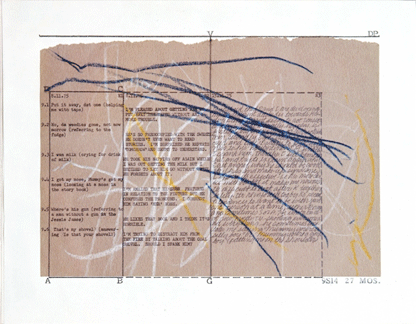
Mary Kelly is a conceptual feminist artist who was a member of the Berwick Street Collective who produced radical, feminist documentary films such as Nightcleaners Part 1 and who is interested in project-based work. Her best-known piece is Post-Partum Document 1973 – 79 in which she documented her life, and the way it changed, as a mother and the ever changing mother/child relationship – causing scandal on route by including stained nappy liners. She has picked six important stages of her child’s life to document, early life (including the nappies), first words, early markings (scribbles), transitional items (including a footprint), diagrams and statistics and pre-writing alphabet. She combines actual items with analysis. These are all stages that any parent will know well, and relate to, however, they are not what, certainly in that era , would have been considered either ‘art’ or something that should be shown to the public and as such caused an outcry. She focused on the domestic aspects of being a woman – but she suggests it is not simply autobiographical but includes academic discussion and debate. In the Tate’s description of the work they say, ‘Kelly subverts the artistic tradition of sentimentalising the mother-child relationship, showing its complexity’ (Tate, 2018). Kelly herself talks about the work in a film as ‘needed to understand the psychological underpinnings of  sexual/social division of labour was…..to document of the daily activity associated with the child….the stained nappy liners were the record, they were the evidence… (I)… wanted to do this without a conventional image of the mother and child… at the time it was quite controversial, and I just ended up making almost everyone unhappy…. Theorists (asked) ‘Why have you got that stuff in there?’ , the women  (asked) ‘Why have you got the theory in there?’…..it could stretch the artist out of the very different directions … what is femininity?’ (Kelly, 2006) and ‘the relationships between men and women are very different for the younger generation…women are much, much better placed to fulfil their potential’ (Kelly, 2015).

Kelly continues to follow her ideals of feminism and the need for artists to articulate the voices of those who cannot speak. Fowler notes that ‘Kelly’s work has always retained its personal, emotional payload’ (Fowler, 2018). Her more recent work looks at how to show war related atrocities and  includes using the lint fluff from a dryer to make war memorials in On the Passage of a few People Through a Rather Brief Period of Time and in Dicere, 2014  she uses the words of witnesses to a drone strike which killed their grandmother.  Her work continues to fascinate, and although she has moved on from the aggressive feminist works of her earlier years, she is still an important worker in the liberation of people across the globe.

75_MaryKelly_Life-April-1945_H6681_2014_300dpi
© Mary Kelly – from On the Passage of a few People Through a Rather Brief Period of Time

References:

Fowler, W. (2018). 10,000 revolutions: meet Mary Kelly, the mother of all feminist artists. [online] the Guardian. Available at: https://www.theguardian.com/artanddesign/2015/may/18/mary-kelly-meet-the-mother-of-all-feminist-artists.

Kelly, M. (2006). Post-Partum Document, 1973-79. Www.bl.uk. [online] Available at: http://www.bl.uk/learning/histcitizen/21cc/utopia/methods1/bourgeoisie1/bourgeoisie.html.

Kelly, M. (2015). Mary Kelly – “Everything Seemed to Be a First” | TateShots. YouTube. Available at: https://www.youtube.com/watch?v=OaKXUVDSZdQ [Accessed 27 Apr. 2019].

Kelly, M. (2019). Post-Partum Document. [online] Marykellyartist.com. Available at: http://www.marykellyartist.com/post_partum_document.html.

Tate. (2018). ‘Post-Partum Document. Documentation III: Analysed Markings and Diary Perspective Schema (Experimentum Mentis III: Weaning from the Dyad)’, Mary Kelly, 1975 | Tate. [online] Available at: https://www.tate.org.uk/art/artworks/kelly-post-partum-document-documentation-iii-analysed-markings-and-diary-perspective-t03925.


Exercise 3.1

The exercise was to go through your archive. Pull out around 10 images and divide into mirrors at windows. Then look at again and see if any could be changed.

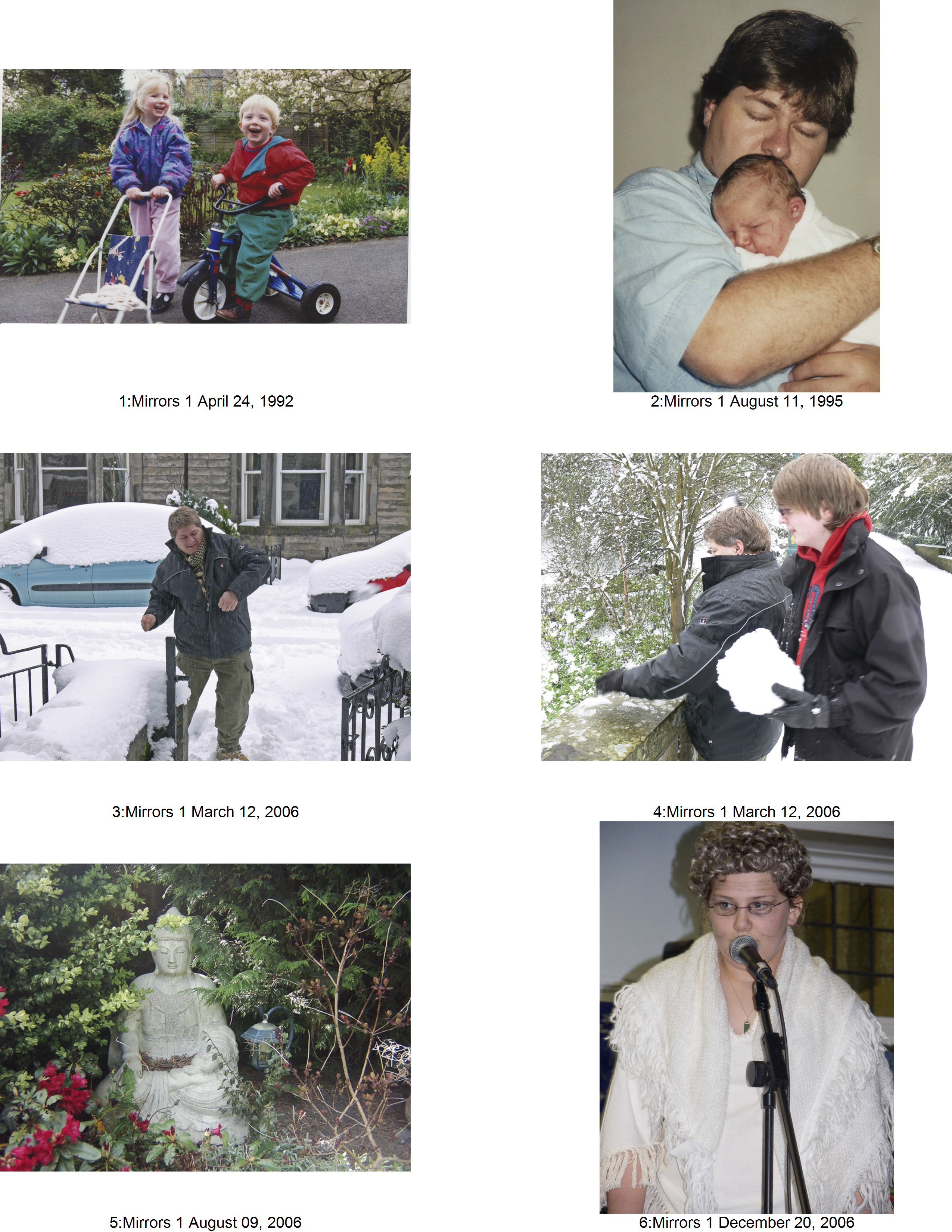
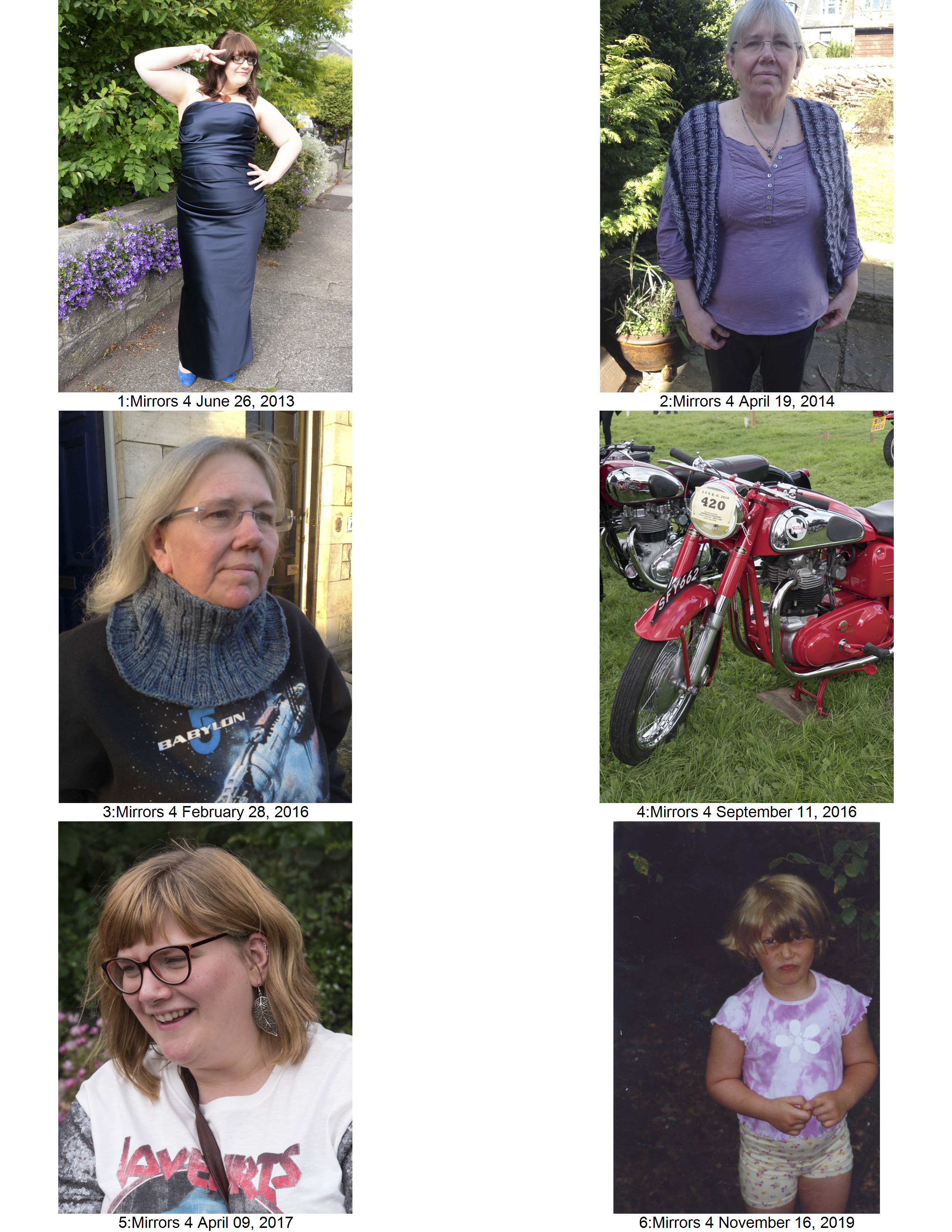
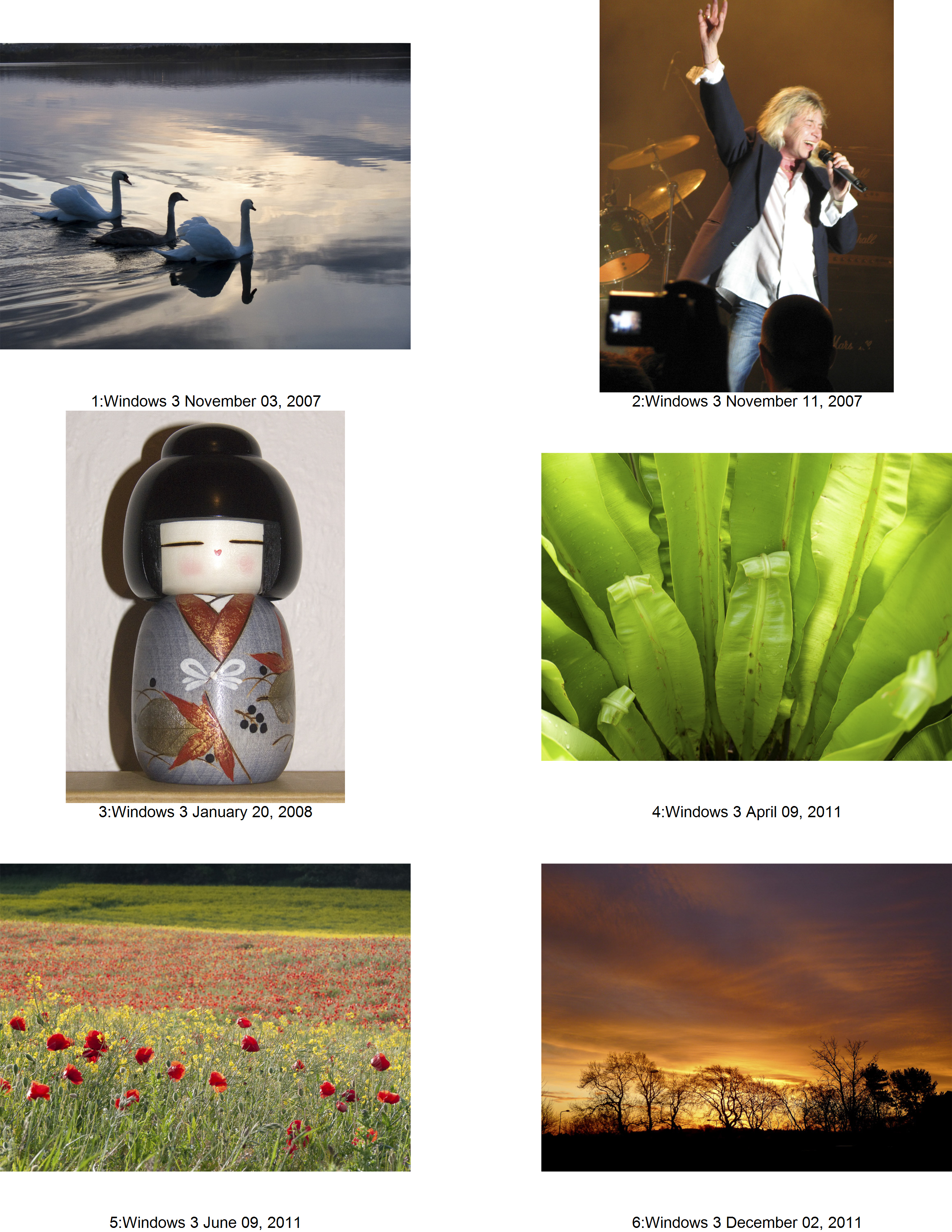
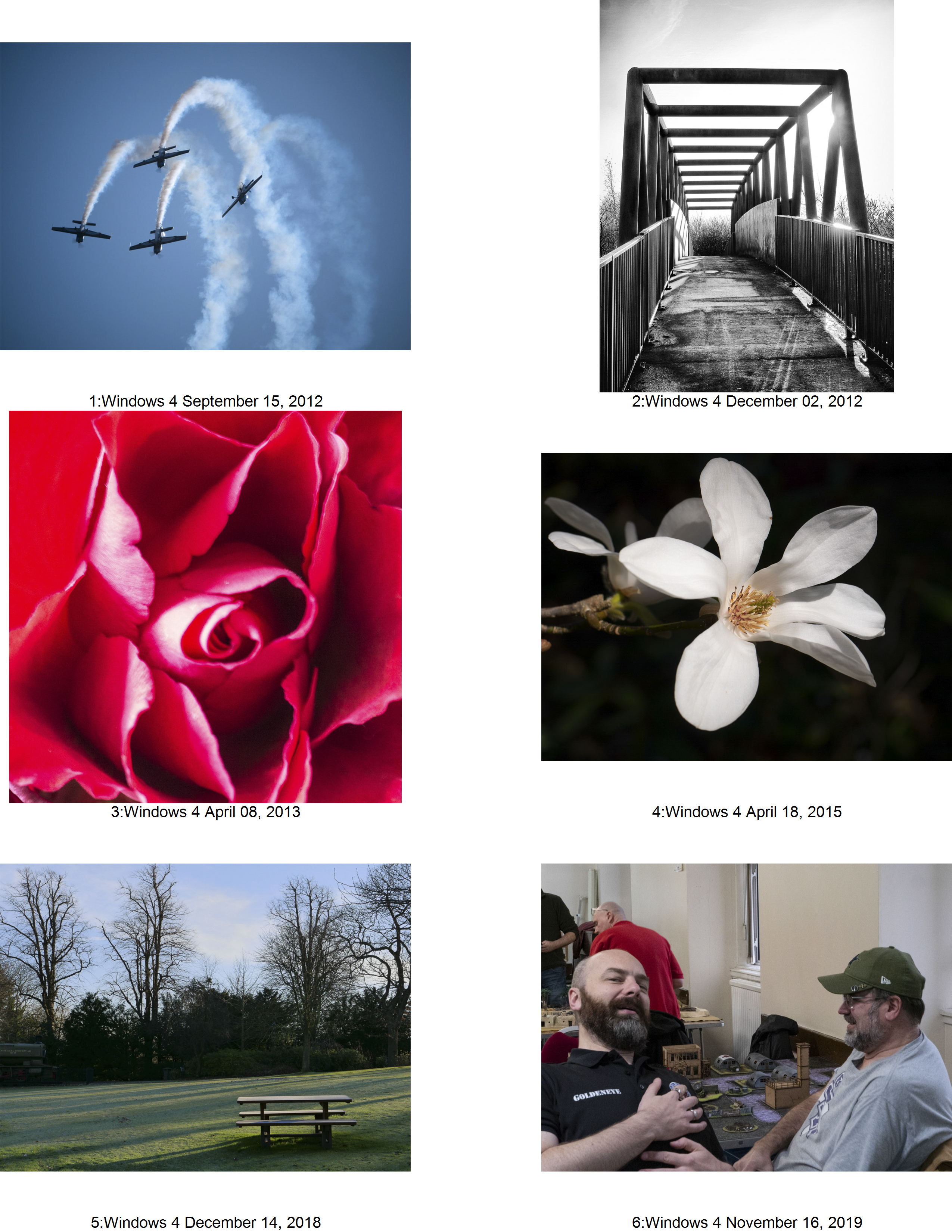
 I started with an archive trawl, which I did very rapidly, and ended up with 48 images, not 10. I decided to go with it, and split them into 4 sections of 12, organised only by the order of pulling out from the archive, which was generally, but not totally, date order.  For each set I divided into mirrors or windows. This was not always an easy task. Very few of them are direct images of me. The ones that initially ended up in the mirror pile are mainly of my family or places that are very personal, such as the church I was christened in. The set that ended up in the windows are more about places I have been and looked over, things that I am interested in, things that I enjoy investigating. In reality many of the images could go in either pile with a logical reason.

Initial trawl for mirrors:

Initial trawl for windows:

A very rapid overview of the two groups above shows that I have mainly placed people in the mirrors group and objects /scenery in the windows. This is rather a facile separation.

I then decided to look at one of the sets in more detail, analysing why my first instinct was to put into each pile and looking to see if with a more considered approach I would change then around. This was interesting. The initial selection was based on people or places that were very close to me becoming mirrors, but all of them could equally by classed as windows. In reality, there is only a small portion of my archive that shows people, but for some reason they caught my eye when pulling images out for this exercise. I tend to photograph things that are less personal, but equally, and illogically, all of them say something about my interests. The ones that say more about me, as a mirror of my interests are often the ones where I am looking out. The family ones that I initially classified as mirrors are more about me examining them. I think I am now totally confused!

Detailed analysis:

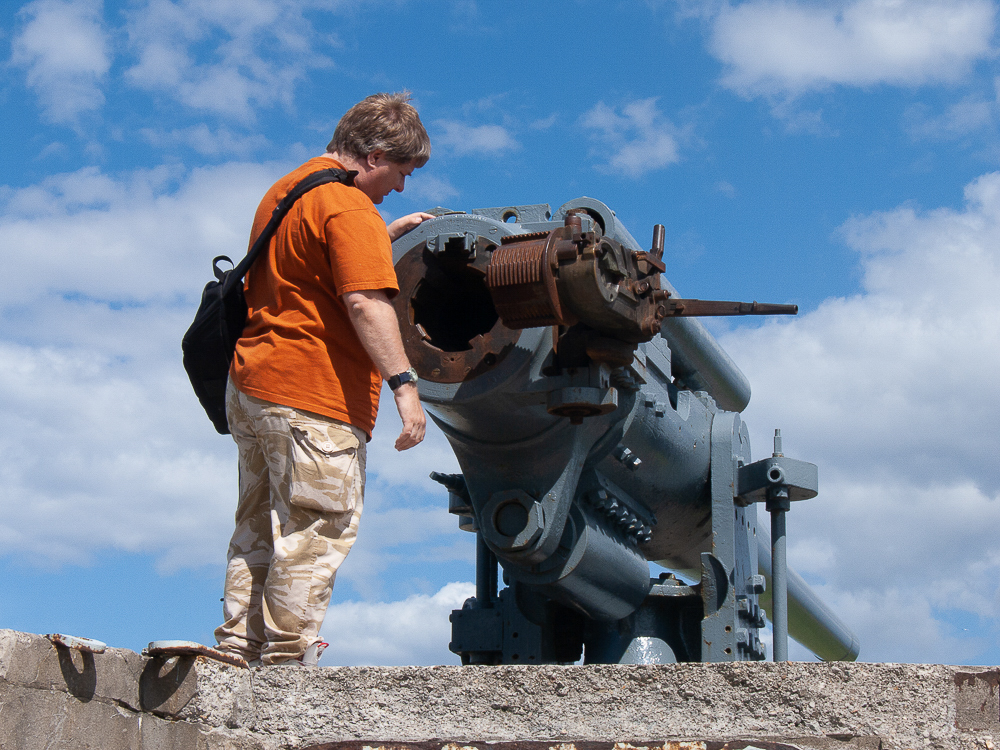
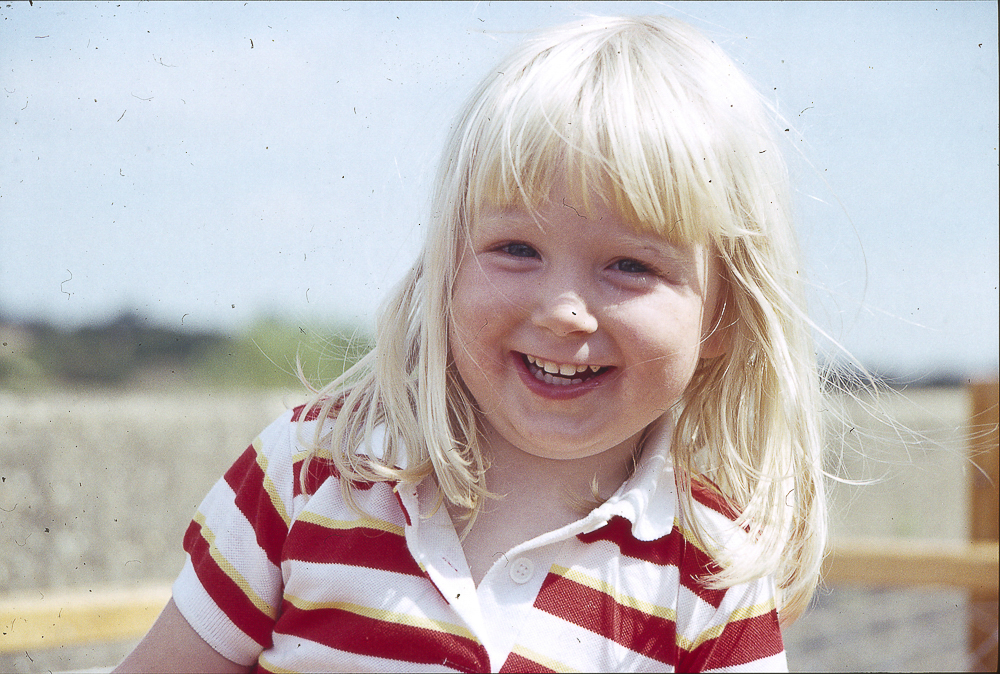
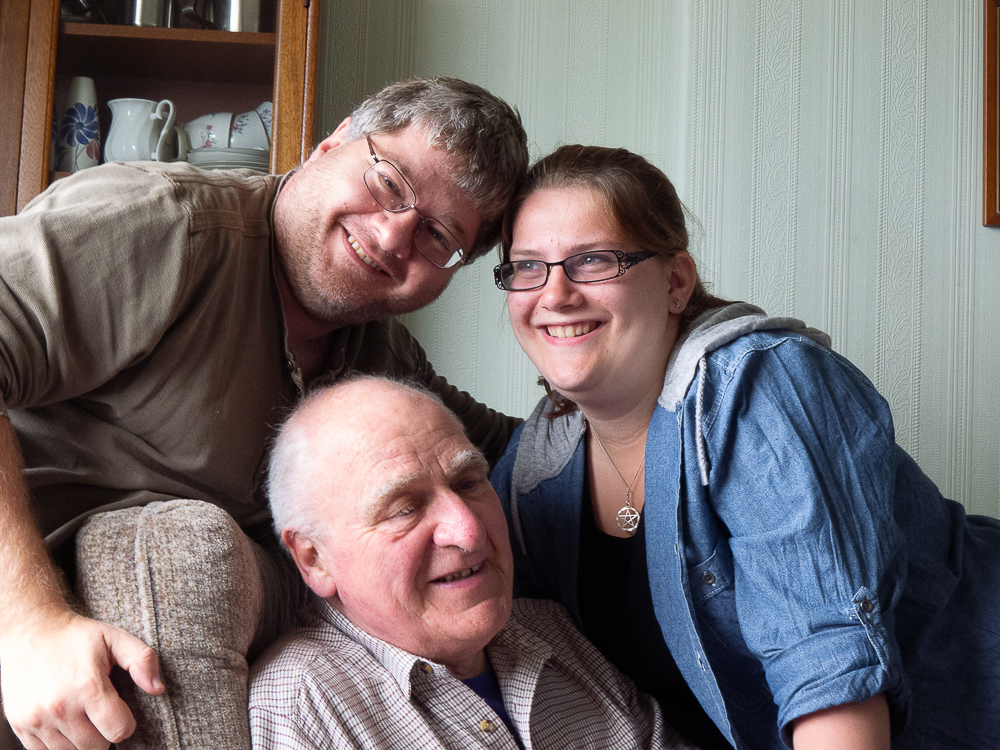
All these 6 images were initially classified as mirrors. They are all my family, with the exception of a view down the street I live in. On thinking about it further then only two that remain as mirrors are the image of my mother and me as a child and the street view, and I am not even convinced about the mother/me one. All the others are about me looking out at other people – therefore windows – but I am an insider in the situation!

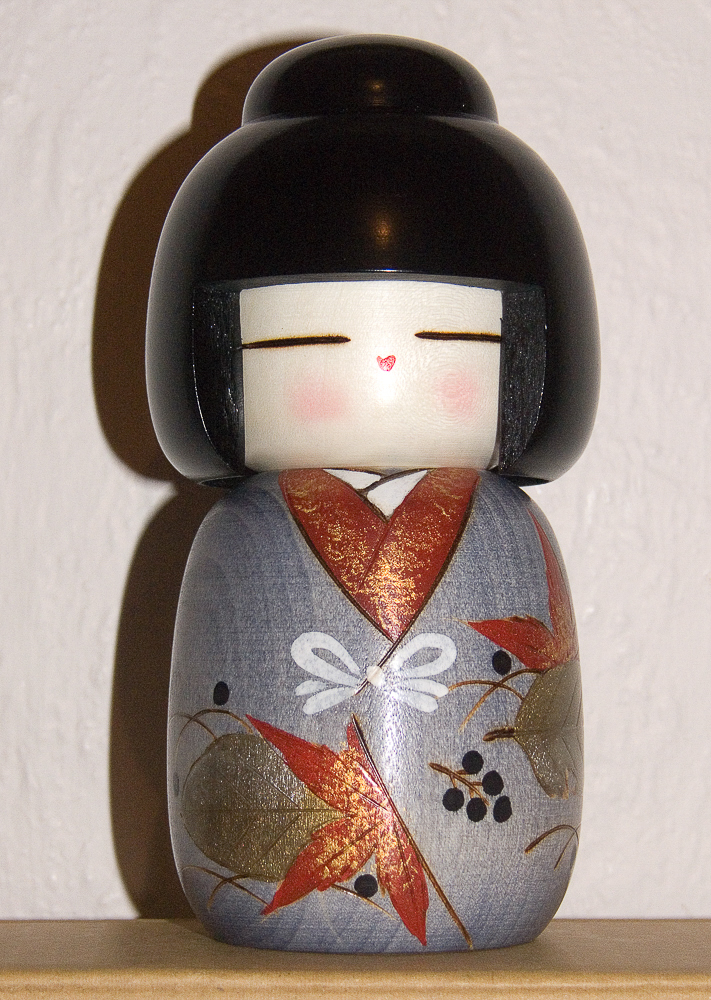
These images were all initially classified as windows, and, as they contain no family images are easier to think about. The doll tells about me and my obsessive collecting habit. Someone looking at it says – that is hers. The places I am looking out at are, I think, rightly classified as windows, as is the singer. The plant – obsessive interest again, so probably a mirror.

Summary:

  • This exercise was a lot harder than I expected it to be, and I kept swapping images around.
  • Using the straightforward classification of insider = mirror, all the family images and personal interests become mirrors
  • Using the straightforward classification of outsider = window, all the views, places and events become windows.
  • I have just done a rapid scan though the images I have taken over the last year. There are very few that are mirrors. a group of friends at a party, my daughter’s wedding, some of my cats and family. The rest are all examinations of other things, street images, landscapes and events.